10 bestDrones With Obstacle Avoidanceof October 2026
112M consumers helped this year.
1

DJI Lito X1 Fly More Combo (DJI RC 2), Updated Version of Mini 3
DJI
10.0
2

DJI Neo 2 Fly More Combo (Drone Only), 4K Drone With Camera
DJI
10.0
3
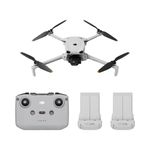
DJI Lito 1 Two-Battery Combo (DJI RC-N3), Updated Version of Mini 4K
DJI
10.0
6% off
4

DJI Air 3S (RC-N3), 4K Dual-Lens Drone with 1" CMOS Wide-Angle Camera, 60fps HDR Video & 14 Stops of Dynamic Range, 45-Min Max Flight Time, 20km Transmission Range
DJI
9.9
7% off
5

DJI Mini 5 Pro, Ultra-Light & Foldable Drone with Camera, 1-Inch CMOS, Omnidirectional Obstacle Sensing, ActiveTrack 360°, 225° Gimbal Rotation, 20km Transmission, 4K Drone for Beginners, C0
DJI
9.8
OtherUp to 13% off
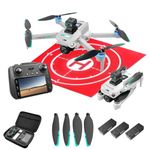
Drones for Adults, Drone for Beginners, GPS Drones 4K, 3 Batteries, 60 Mins Flight, Auto Return, Obstacle Avoidance, Drone with Screen on Controller, with Drone Landing Pad (White)
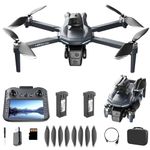
LFXLKVI XT606 GPS Drone 4K HD Camera Large Screen Remote Control Flight Time is Approximately 40 Minutes Brushless Motor 360° Obstacle Avoidance App Control Gift Toys for Kids Beginners Adults
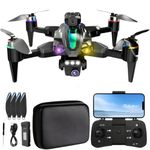
Trendi 4K Camera Drone – Foldable Quadcopter with Dual HD Cameras, Obstacle Avoidance, Brushless Motor, Altitude Hold, 360° Flip, Headless Mode, Gesture Control & Carrying Case | 2 Batteries (Black)
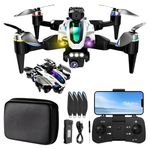
ADEPTNA Premium Foldable Camera Drone with Dual WiFi Cameras Obstacle Avoidance Brushless Motor Altitude Hold One-Key Start 360° Flip Long Battery Life Carry Case Quadcopter for Adults & Kids (WHITE)
6

DJI Neo Two-Battery Combo, Mini Drone with 4K UHD Camera for Adults, 135g Follow Me Drone with Palm Takeoff, Subject Tracking, QuickShots, Stabilized Video, Propeller Guard (Controller-Free)
DJI
9.6
21% off
7
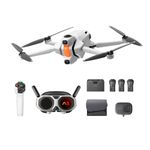
Antigravity A1 Explorer Bundle (3 Batteries) - 8K 360 Drone for Immersive Flight, Point-to-Fly Motion Control, Obstacle Avoidance, 249g & Foldable, Deep Track, Auto Return, 10km Range, Auto Edit
Antigravity
9.4
8
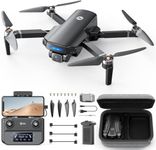
Holy Stone HS360S GPS Drone with 4K Camera for Adults, 20 Mins Flight Time, RC Quadcopter with GPS, Intelligent Follow Mode, Auto Return, Tap Fly, Altitude Hold, Time-lapse Photography
Holy Stone
9.1
20% off
9

Drone with Camera for Adults, Drone with LCD Screen RC Live Video Professional, Brushless Motor 270° Obstacle Avoidance, Support 32G SD Card 3D Flips Foldable Mini Quadcopter for Beginners Under 250G
SJsharp
8.8
10
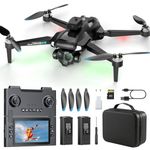
M66 Drone with 4.3″ Foldable HD Screen Controller, 1080P HD Camera Drone for Beginners with Obstacle Avoidance, Optical Flow,Brushless Motor, 40-Min Flight Time, Easy to Fly
DEERC
8.5
Related Reviews You Might Like

A Guide to Selecting the Best Drones With Obstacle Avoidance
When choosing a drone with obstacle avoidance, it's important to consider how you plan to use the drone and what features will best suit your needs. Drones with obstacle avoidance are designed to help prevent collisions by detecting and navigating around obstacles in their flight path. This feature is particularly useful for beginners, as well as for more advanced users who want to focus on capturing footage without worrying about manual navigation. Understanding the key specifications will help you make an informed decision and ensure you select a drone that meets your expectations and requirements.
Obstacle Avoidance Technology
Obstacle avoidance technology is a system that uses sensors to detect obstacles in the drone's flight path and automatically adjust its course to avoid collisions. This is important for ensuring the safety of the drone and preventing damage. The technology can vary from basic systems that detect obstacles in front of the drone to more advanced systems that provide 360-degree coverage. If you're a beginner or plan to fly in areas with many obstacles, a drone with comprehensive obstacle avoidance is beneficial. For open areas, a simpler system might suffice.
Sensor Type
The type of sensors used in a drone's obstacle avoidance system can affect its performance. Common sensors include ultrasonic, infrared, and visual sensors. Ultrasonic sensors are good for detecting large obstacles, while infrared sensors can detect smaller objects. Visual sensors, often combined with cameras, provide detailed information about the environment. If you need precise navigation in complex environments, look for drones with advanced visual sensors. For general use, ultrasonic or infrared sensors may be adequate.
Flight Range
Flight range refers to the maximum distance a drone can travel from its controller while maintaining a stable connection. This is important for determining how far you can explore with your drone. Short-range drones are suitable for casual use and close-range photography, while long-range drones are ideal for capturing expansive landscapes or for professional use. Consider how far you plan to fly your drone and choose a model with a range that meets your needs.
Battery Life
Battery life indicates how long a drone can fly on a single charge. This is crucial for planning your flights and ensuring you have enough time to capture the footage you want. Drones with longer battery life are better for extended flights and professional projects, while shorter battery life may be sufficient for quick recreational flights. Assess how long you typically need your drone to be airborne and select a model with a battery life that aligns with your usage.
Camera Quality
Camera quality is a key consideration if you plan to use your drone for photography or videography. Higher resolution cameras capture more detail and produce clearer images and videos. If you're a professional photographer or videographer, look for drones with high-resolution cameras and advanced features like image stabilization. For casual use, a standard camera may be adequate. Consider what level of image quality you need and choose a drone with a camera that meets those requirements.
Portability
Portability refers to how easy it is to transport and store the drone. This is important if you plan to travel with your drone or need to carry it to different locations. Compact and foldable drones are easier to transport and are ideal for travelers or those with limited storage space. Larger drones may offer more features but can be cumbersome to carry. Consider how often you'll need to transport your drone and choose a model that offers the right balance of size and features for your lifestyle.

Best Reviews Guide Newsletter
Get exclusive articles, recommendations, shopping tips, and sales alerts
Sign up for our newsletter to receive weekly recommendations about seasonal and trendy products
Thank you for subscribing!
By submitting your email address you agree to our Terms and Conditions and Privacy Policy