10 bestHandheld Emulatorof October 2026
112M consumers helped this year.
1

GPD WIN Mini 2025 handheld gaming PC, AMD Ryzen AI 9 370, 12C/24T up to 5.1GHz, Radeon 890M GPU, 32GB LPDDR5 RAM, 2TB NVMe SSD, 7” 1080p 120Hz touchscreen, Wi-Fi 6E Bluetooth 5.3
GPD
10.0
2
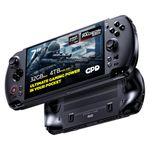
GPD WIN 5 Handheld Gaming PC | AMD Ryzen AI Max+ Ryzen 395 | 32GB LPDDR5X RAM, 4TB SSD | Radeon 8060S Graphics | Portable PC for AAA Gaming and Emulation
GPD
10.0
3

GPD WIN Mini 2025 handheld gaming PC, AMD Ryzen 7 8840U, 8C/16T up to 5.1GHz, Radeon 780M GPU, 16GB LPDDR5 RAM, 2TB NVMe SSD, 7” 1080p 120Hz touchscreen, Wi-Fi 6E Bluetooth 5.3
GPD
9.8
4

GPD WIN 5 Handheld Gaming PC | AMD Ryzen AI Max Ryzen 385 | 32GB LPDDR5X RAM, 1TB SSD | Radeon 8050S Graphics | Portable PC for AAA Gaming and Emulation
GPD
9.7
5

VALVE Steam Deck 64GB eMMC + 16GB RAM, 7" inch, 60Hz, 1280 x 800px, SteamOS 3.0, Handheld Gaming Console
Valve Index
9.4
Other

RG40XXV Handheld Game Console RG 40XXV 4.0'' IPS Screen with 64G TF Card Pre-Installed 5228 Games Supports 5G WiFi 4.2 Bluetooth Online Fighting,Streaming and HD Retro Emulator RG40XX
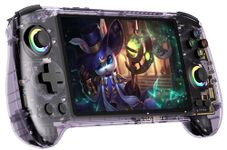
RG557 Retro Handheld Game Console , 5.48 Inch AMOLED Screen Handheld Emulator Preloaded 4423 Games Android 14 System Dimensity 8300 Processor Support WiFi 6E Bluetooth 5.3(Transparent Purple)

RG40XX H Handheld Game Console rg40xxh Retro Gaming Console 4.0'' IPS Screen with 64G TF Card Pre-Installed Games Linux 64-bit System Supports 5G WiFi Bluetooth HDMI and TV Output RG40XX Black

Airuidas RG 40XXH Handheld Game Console rg40xxh 4.0'' IPS Screen Supports 5G WiFi Bluetooth HD and TV Output New Emulator RG40XX H
6

Valve Steam Deck 512GB Handheld Console
Generic
9.2
7

ASTEKID 2026 Retro Handheld Game Console, Relive 23000 Classic Games, Support 30+ Emulators, Portable Pocket Arcade, Casual Commuting Travel games for boys and adults
ASTEKID
8.9
8
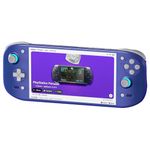
AYN Odin 2 Portal Max Handheld Gaming Console: 7" 120Hz OLED, Snapdragon 8 Gen 2, 16GB RAM, 1TB storage, Android 13, 8000mAh, Retro & Modern Gaming
AYN Odin
8.6
9

RG40XXV Retro Handheld Game Console - 4.0” IPS Screen, Linux System, 64GB SD Card with 5528 Classic Games, H700 Quad-Core CPU, 5G WiFi, Bluetooth 4.2, TV Output, 3200mAh Battery (Blue)
iTAP
8.3
10
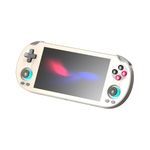
RG Vita Retro Handheld Game Console, 5.46-inch IPS Touchscreen, 3GB+64GB Storage, 3000mAh Battery, Android 12, Supports Multiple Emulators & Android Games, Portable Gaming Device
Airuidas
8.0
A Guide to Selecting the Best Handheld Emulator
When choosing a handheld emulator, it's important to consider what types of games you want to play, the performance you expect, and how portable you need the device to be. Handheld emulators can vary greatly in terms of the systems they can emulate, their screen quality, battery life, and overall build. Understanding your own gaming preferences and lifestyle needs will help you make the best choice.
Emulation Capability
Emulation capability refers to the range of gaming systems that the handheld emulator can mimic. This is crucial because it determines which games you can play. Some emulators can handle only older systems like NES or SNES, while others can emulate more recent consoles like PlayStation or even GameCube. If you have a specific set of games or consoles in mind, ensure the emulator supports them. For casual retro gaming, a device that supports older systems might suffice, but for more modern gaming, you'll need a more powerful emulator.
Performance
Performance in a handheld emulator is about how smoothly it can run games. This is influenced by the device's processor and RAM. Higher performance means less lag and better graphics, which is important for a seamless gaming experience. Devices with more powerful processors and higher RAM can handle more demanding games and systems. If you plan to play graphically intensive games, look for a device with higher performance specs. For simpler, older games, a basic performance level might be adequate.
Screen Quality
Screen quality affects how good the games look on your handheld emulator. It includes factors like resolution, size, and type of display. A higher resolution and larger screen can enhance your gaming experience by providing clearer and more vibrant visuals. If you value high-quality graphics, opt for a device with a better screen. However, if you're more focused on gameplay than visuals, a standard screen might be sufficient.
Battery Life
Battery life determines how long you can play games on your handheld emulator before needing to recharge. This is important for portability and convenience, especially if you plan to use the device on the go. Devices with longer battery life are ideal for extended gaming sessions without frequent interruptions. If you often play away from home, prioritize a device with a longer battery life. For home use, battery life might be less of a concern.
Portability
Portability refers to how easy it is to carry the handheld emulator around. This includes the device's size, weight, and design. A more portable device is easier to take with you, making it ideal for travel or commuting. If you need a device that fits easily in your pocket or bag, look for a compact and lightweight model. If portability is less of a concern, you might opt for a larger device with more features.
Build Quality
Build quality is about how well the handheld emulator is constructed. This affects its durability and how it feels in your hands. A well-built device can withstand more wear and tear, which is important if you plan to use it frequently or take it on the go. If you want a device that lasts, look for one with a sturdy build and good materials. For occasional use, build quality might be less critical.

Best Reviews Guide Newsletter
Get exclusive articles, recommendations, shopping tips, and sales alerts
Sign up for our newsletter to receive weekly recommendations about seasonal and trendy products
Thank you for subscribing!
By submitting your email address you agree to our Terms and Conditions and Privacy Policy