10 bestStreaming Laptopof November 2026
112M consumers helped this year.
1
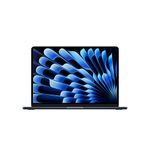
Apple 2025 MacBook Air 13-inch Laptop with M4 chip: Built for Apple Intelligence, 13.6-inch Liquid Retina Display, 16GB Unified Memory, 256GB SSD Storage, 12MP Center Stage Camera, Touch ID; Midnight
Apple
9.8
2
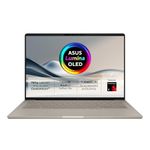
ASUS Zenbook A14 OLED UX3407QA Copilot+ PC Laptop | 14.0" WUXGA (1920x1200) OLED screen | Qualcomm Snapdragon X1-26-100 | 16GB RAM | 1TB PCIe SSD | UK Backlit Keyboard | Windows 11
ASUS
9.6
17% off
3

Lenovo IdeaPad Slim 3 | 16 inch WUXGA Laptop | Intel Core i5-13420H | 16GB RAM | 512 GB SSD | Windows 11 Home | Luna Grey
Lenovo
9.4
4

Apple MacBook Neo 13-inch Laptop with A18 Pro chip: Built for AI and Apple Intelligence, Liquid Retina Display, 8GB Unified Memory, 256GB SSD Storage, 1080p FaceTime HD Camera; Silver
Apple
9.2
5
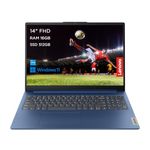
Lenovo IdeaPad Slim 3 | 14 inch Full HD Laptop | Intel Core i5-12450H | 16GB RAM | 512GB SSD | Windows 11 Home | Abyss Blue
Lenovo
9.0
OtherUp to 28% off
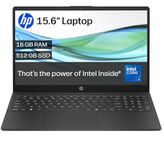
HP 15.6" Laptop | Intel Core™ 5 120U Processor | 16 GB RAM | 512 GB SSD | Intel Graphics | FHD Anti-Glare Display | Windows 11 Home | Fast Charge | Jet Black | 15-fd0005sa
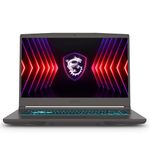
MSI Thin 15 Gaming laptop | Intel Core i7-13620H | NVIDIA GeForce RTX 4050 | 15.6" FHD 144Hz Panel | 16GB RAM | 512GB SSD | Windows 11 Home Plus | Cosmos Grey
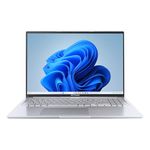
ASUS Vivobook 16 X1605VA Laptop | 16.0" WUXGA 16:10 Screen | Intel Core i9-13900H | 16GB RAM | 1TB PCIe SSD | UK Layout Backlit Keyboard | Windows 11
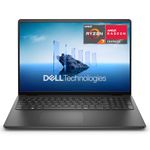
Dell 16 Laptop DC16255 16-Inch 2K (1920x1200), AMD Ryzen 7 250, AMD Radeon Graphics, 16GB DDR5 RAM, 1TB SSD, Windows 11 Home, Fingerprint Reader, UK Qwerty Backlit Keyboard, Carbon Black
6
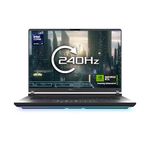
ASUS ROG Strix G16 G615LP Gaming Laptop | 16.0" 240Hz Screen | Intel Core Ultra 9 275HX | NVIDIA GeForce RTX 5070 | 32GB RAM | 1TB PCIe SSD | RGB Backlit Keyboard | 3 Month Xbox Gamepass | Windows 11
ASUS
8.8
7
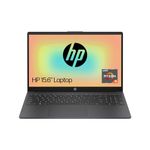
HP 15.6" Laptop, AMD Ryzen 5-7520U Processor, 8 GB RAM, 256 GB SSD, AMD Radeon Graphics, FHD Display, Up to 10hrs battery, Win 11, Thin & Light, Dual Speakers, Chalkboard Gray, 15-fc0001sa
HP
8.6
8
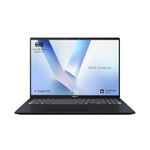
ASUS Vivobook 16 X1607QA CoPilot+ Laptop | 16.0" WUXGA Screen | Qualcomm Snapdragon X1-26-100 Processor | 16GB RAM | 512GB SSD | 19 Hours Battery Life | Windows 11
ASUS
8.3
9
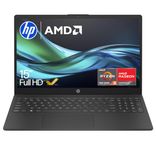
HP 15.6" Laptop | AMD Ryzen 3 7320U Processor | 8 GB RAM | 256 GB SSD | AMD Radeon Graphics | FHD Display | Up to 11hrs 15 mins battery | Windows 11 | Dual Speakers | Jet Black | 15-fc0045sa
HP
8.1
10
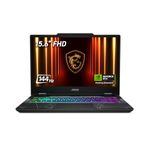
MSI Cyborg 15 Gaming Laptop| Intel Core™ 7 240H | NVIDIA GeForce RTX 5050 | 15.6'' FHD 144Hz Screen |16GB DDR5 RAM | 1TB SSD | Windows 11 Home | Translucent Black
MSI
7.9
Related Reviews You Might Like

A Guide to Selecting the Best Streaming Laptop
When choosing a streaming laptop, it's important to consider the specific needs that come with streaming activities. Whether you're streaming videos, gaming, or live broadcasting, the right laptop will ensure smooth performance and high-quality output. Focus on the specifications that directly impact streaming capabilities, such as processing power, graphics, and connectivity. Understanding these specs will help you make an informed decision that aligns with your streaming goals.
Processor (CPU)
The processor, or CPU, is the brain of your laptop and is crucial for handling the demands of streaming. A powerful CPU ensures that your laptop can process data quickly and efficiently, which is essential for smooth streaming without lag. CPUs are often categorized by their number of cores and clock speed. For basic streaming, a dual-core processor might suffice, but for more intensive tasks like gaming or high-definition video streaming, a quad-core or higher processor is recommended. Consider your streaming activities: if you plan to stream high-quality content or multitask, opt for a more powerful CPU.
Graphics Card (GPU)
The graphics card, or GPU, is responsible for rendering images and video. For streaming, especially gaming, a dedicated GPU is important as it offloads work from the CPU and provides better graphics performance. GPUs range from integrated graphics, which are suitable for basic streaming, to dedicated graphics cards, which are better for high-definition video and gaming. If your streaming involves high-quality visuals or gaming, a laptop with a dedicated GPU will enhance your experience. Choose based on the visual quality you desire and the type of content you plan to stream.
RAM
RAM, or Random Access Memory, is crucial for multitasking and smooth performance during streaming. It temporarily stores data that your laptop needs quick access to, which is important when running multiple applications simultaneously. For streaming, at least 8GB of RAM is recommended, but 16GB or more is ideal for more demanding tasks or if you plan to stream while running other applications. Consider how many applications you typically use at once and choose a RAM size that will support your streaming needs without slowing down your laptop.
Storage
Storage determines how much data you can save on your laptop. There are two main types: HDD (Hard Disk Drive) and SSD (Solid State Drive). SSDs are faster and more reliable, which can improve your laptop's overall performance and reduce loading times. For streaming, an SSD is preferable as it allows for quicker access to files and smoother operation. Consider the amount of data you plan to store, such as videos and games, and choose a storage size that accommodates your needs. A combination of SSD for speed and HDD for capacity can also be a good option.
Display
The display quality affects your viewing experience during streaming. Key factors include resolution, size, and refresh rate. A higher resolution, such as Full HD or 4K, provides clearer and more detailed images. A larger screen size can enhance your viewing experience, but it also makes the laptop less portable. The refresh rate, measured in hertz (Hz), indicates how often the screen updates per second; a higher refresh rate results in smoother motion, which is beneficial for gaming. Consider what you value more: portability or a larger, high-quality display, and choose accordingly.
Battery Life
Battery life is important if you plan to stream on the go or away from a power source. It determines how long your laptop can run on a single charge. Streaming can be power-intensive, so a laptop with a longer battery life is beneficial. Battery life can vary widely, from a few hours to over 10 hours. Consider how often you'll be streaming away from a power outlet and choose a laptop with a battery life that matches your usage patterns. If portability and long battery life are priorities, look for laptops known for their energy efficiency.
Connectivity
Connectivity options, such as Wi-Fi, Bluetooth, and ports, are essential for streaming. A strong Wi-Fi connection ensures stable internet access, which is crucial for uninterrupted streaming. Bluetooth allows for wireless connections to peripherals like headphones or controllers. Ports, including USB, HDMI, and Ethernet, provide options for connecting external devices and displays. Consider the types of connections you need for your streaming setup and ensure the laptop has the necessary ports and connectivity features to support your activities.

Best Reviews Guide Newsletter
Get exclusive articles, recommendations, shopping tips, and sales alerts
Sign up for our newsletter to receive weekly recommendations about seasonal and trendy products
Thank you for subscribing!
By submitting your email address you agree to our Terms and Conditions and Privacy Policy