10 bestWildlife Photography Cameras For Beginnersof November 2026
112M consumers helped this year.
1
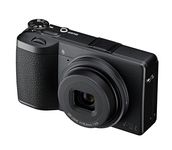
RICOH GR IV Monochrome with dedicated CMOS Image Sensor exclusively engineered for monochrome photography. NEW 25.74MP APS-C Size CMOS Sensor, NEW GR ENGINE 7, NEW 28mm f2.8 GR Lens
Ricoh
9.9
2
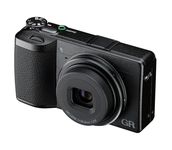
RICOH GR IV HDF, Expansion Model of GR IV with a Built-In Highlight Diffusion Filter. Ultimate Premium Digital Compact Camera with NEW 25.74MP APS-C Size CMOS Sensor and NEW 28mm f2.8 GR Lens
Ricoh
9.8
3
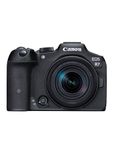
Canon Mirrorless Cameras EOS R7 + RF-S 18-150mm - w/o Mount Adapter GB - 32.5 MP APS-C CMOS Image Sensor - Dual Pixel CMOS AF II - In-Camera Compositing - LCD Touchscreen - UVC/UAC Compatible
Canon
9.6
4
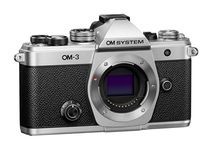
OM SYSTEM OM-3 Micro Four Thirds System Camera, 20 MP BSI Stacked Sensor, 5-Axis Image Stabilisation, Silver
OM SYSTEM
9.5
89% off
5
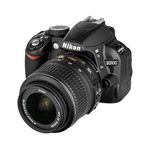
Nikon D3100 Digital SLR Camera with 18-55mm VR Lens Kit (14.2MP) 3 inch LCD (Renewed)
Nikon
9.2
OtherUp to 31% off
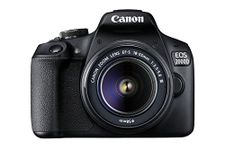
Canon EOS 2000D + EF-S 18-55mm III Lens - Easy-to-use DSLR Camera with a Versatile Lens, Ideal for Portraits and Landscapes
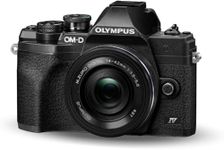
Olympus OM-D E-M10 Mark IV Micro Four Thirds System Camera Kit, 20 MP sensor, electronic viewfinder, 4K video, powerful AF, Wi-Fi, black incl. M.Zuiko Digital ED 14‑42mm F3.5‑5.6 EZ Pancake black
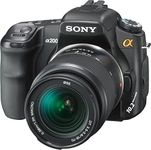
Sony Alpha A200 Digital SLR Camera 10.2MP with Super Steady Shot Image Stabilization with 18-70mm F/3.5-5.6 Lens Black (Renewed)
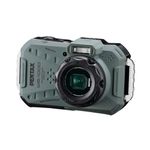
PENTAX WG-1000 waterproof digital compact camera, designed for casual outdoor and underwater photography, waterproof to a depth of 15 meters, for up to one hour of continuous operation
13% off
6
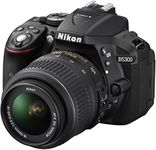
Nikon D5300 Digital SLR Camera with 18-55mm VR Lens Kit - Black (24.2 MP) 3.2 inch LCD with Wi-Fi and GPS (Renewed)
Nikon
9.0
6% off
7

OM SYSTEM Tough TG-7 Red Digital Camera, 12MP, Waterproof, Shockproof, Underwater and Macro Shooting Modes, high speed image sensor, 4K Video, 4x-wide-angle zoom (successor Olympus TG-6)
OM SYSTEM
8.7
8
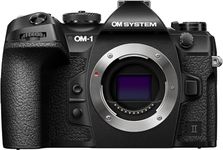
OM SYSTEM OM-1 Mark II Micro Four Thirds Camera, 20MP Stacked BSI Sensor, 5-Axis Stabilisation, Pro Computational Features for Wildlife, Landscape and Macro Photography
OM SYSTEM
8.4
9
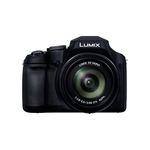
Panasonic Lumix DC-FZ82DE-K Bridge Camera with 20-1200 mm F2.8-5.9 Lens, 18.1MP, 4K Video & Photo, OLED Live View Finder, LCD Touch Screen, USB-C, Black
Panasonic
8.1
15% off
10

Canon EOS 2000D + EF-S 18-55mm F3.5-5.6 IS II Lens + Spare Battery - Easy-to-use DSLR Camera with a Versatile Lens and a Spare Battery, Ideal for Portraits and Landscape - Amazon Exclusive
Canon
7.8
A Guide to Selecting the Best Wildlife Photography Cameras For Beginners
Choosing the right camera for wildlife photography as a beginner can be an exciting journey. The key is to find a camera that balances ease of use with the ability to capture high-quality images of fast-moving and often distant subjects. You'll want a camera that can handle various lighting conditions and has features that help you learn and grow as a photographer. Consider what kind of wildlife you are most interested in photographing, as this can influence the type of camera and lenses you might need. Remember, the best camera is one that you feel comfortable using and that inspires you to get out and take photos.
Sensor Size
The sensor size in a camera determines how much light it can capture, which affects image quality, especially in low-light conditions. Larger sensors, like full-frame or APS-C, generally provide better image quality and more detail. For wildlife photography, a larger sensor can be beneficial as it allows for better performance in varying light conditions and more flexibility in cropping images. Beginners might start with an APS-C sensor, which offers a good balance between quality and cost, and provides a crop factor that can be advantageous for getting closer to distant subjects.
Autofocus System
The autofocus system in a camera helps you quickly and accurately focus on your subject, which is crucial in wildlife photography where subjects can move unpredictably. A good autofocus system will have multiple focus points and modes to track moving subjects. For beginners, look for a camera with a reliable and fast autofocus system that offers continuous autofocus tracking. This will help you capture sharp images of animals in motion, making it easier to get those perfect shots.
Burst Rate
Burst rate, or frames per second (fps), refers to how many images a camera can take in a quick succession. This is important in wildlife photography to capture fast-moving action, like a bird in flight. Cameras with higher burst rates allow you to take multiple shots in a short period, increasing your chances of getting the perfect shot. Beginners should look for a camera with a decent burst rate, around 5-10 fps, which is usually sufficient for most wildlife scenarios.
Lens Compatibility
Lens compatibility refers to the range of lenses that can be used with a camera. In wildlife photography, having a good telephoto lens is essential to capture distant subjects. When choosing a camera, consider the availability and variety of lenses that are compatible with it. Beginners should look for a camera system that offers a wide range of lenses, especially telephoto options, to allow for growth and flexibility in their photography journey.
Weather Sealing
Weather sealing in a camera protects it from dust, moisture, and other environmental elements, which is important for wildlife photography often done outdoors. A camera with good weather sealing will be more durable and reliable in various weather conditions. Beginners should consider a camera with some level of weather resistance, especially if they plan to shoot in diverse environments, ensuring that their equipment can withstand the elements.
Ease of Use
Ease of use refers to how intuitive and user-friendly a camera is, which is crucial for beginners who are still learning the ropes. A camera with a simple interface, helpful guides, and automatic modes can make the learning process smoother. Beginners should look for a camera that offers a good balance between manual controls for learning and automatic settings for ease, helping them gradually improve their skills without feeling overwhelmed.

Best Reviews Guide Newsletter
Get exclusive articles, recommendations, shopping tips, and sales alerts
Sign up for our newsletter to receive weekly recommendations about seasonal and trendy products
Thank you for subscribing!
By submitting your email address you agree to our Terms and Conditions and Privacy Policy