10 bestWood Varnishof November 2026
112M consumers helped this year.
23% off
1

RustinsQuick Dry Poly Varnish Satin Clear 1ltr -Tough, Water-Based Clear Finish in Gloss, Matt or Satin; Durable Protection for Interior Wood, Furniture and Floors
RUSTINS
9.9
2
RustinsQuick Dry Poly Varnish Satin Clear 500ml -Tough, Water-Based Clear Finish in Gloss, Matt or Satin; Durable Protection for Interior Wood, Furniture and Floors
RUSTINS
9.8
13% off
3
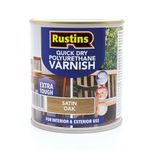
RustinsQuick Dry Poly Varnish Satin Oak 500ml -Tough, Water-Based Clear Finish in Gloss, Matt or Satin; Durable Protection for Interior Wood, Furniture and Floors
RUSTINS
9.6
4

RustinsQuick Dry Poly Varnish Satin Oak 250ml -Tough, Water-Based Clear Finish in Gloss, Matt or Satin; Durable Protection for Interior Wood, Furniture and Floors
RUSTINS
9.4
5
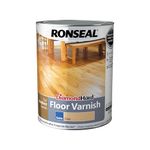
Ronseal DHFVS5L Diamond Hard Floor Varnish Satin 5 Litre
Ronseal
9.2
OtherUp to 5% off
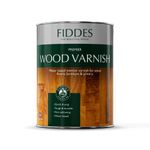
Fiddes Premier Wood Varnish 5 Litre, Matt Finish

Rustins Quick Dry Varnish Clear Satin 500ml -Fast-Drying Water-Based Wood Varnish; Durable Non-Yellowing Finish in Gloss, Satin or Matt for Indoor Use

Osmo UV Protection Oil Clear (Satin, 750ml) 420 Extra
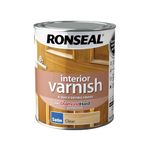
Ronseal Interior Varnish Clear Satin 750ml
6
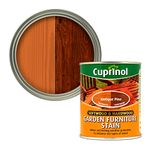
Cuprinol Garden Furniture Stain Exterior Woodcare, Antique Pine,750 ml
Cuprinol
8.9
7

Ronseal YVS1L 1L Exterior Yacht Varnish Satin
Ronseal
8.7
8
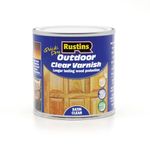
Rustins Quick Dry Outdoor Clear Varnish 250ml Satin
RUSTINS
8.4
9
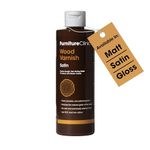
Wood Varnish - 250ml - Fast Drying, Clear Varnish for Wood - Low Odour, Water-Based Varnish - Protects Interior Wood from Scratches and Stains- Satin
Furniture Clinic
8.1
10

Cuprinol WATER BASED WOOD PRESERVER CLEAR 5L
Cuprinol
7.8
Related Reviews You Might Like

A Guide to Selecting the Best Wood Varnish
Choosing the right wood varnish is crucial for both the protection and aesthetic appeal of your wooden surfaces. Varnish not only enhances the natural beauty of the wood but also provides a protective layer against moisture, UV rays, and wear and tear. When selecting a wood varnish, consider the type of wood, the environment it will be exposed to, and the desired finish. Understanding the key specifications will help you make an informed decision that meets your needs and preferences.
Type of Varnish
The type of varnish is important because it determines the finish and durability of the coating. Common types include polyurethane, spar, and acrylic varnishes. Polyurethane varnish is known for its durability and is suitable for high-traffic areas. Spar varnish is flexible and resistant to water, making it ideal for outdoor use. Acrylic varnish is water-based, dries quickly, and is less toxic, suitable for indoor use. Choose based on where the wood will be used and the level of protection needed.
Finish
The finish of a varnish affects the appearance of the wood surface. Finishes range from matte to high gloss. A matte finish provides a natural look with minimal shine, suitable for a rustic or understated appearance. A satin finish offers a slight sheen, balancing between matte and gloss, ideal for a subtle, elegant look. A gloss finish provides a shiny, reflective surface, enhancing the wood's color and grain, perfect for a polished, modern look. Consider the aesthetic you want to achieve when choosing the finish.
Drying Time
Drying time is the period it takes for the varnish to dry to the touch. This is important for planning your project timeline and ensuring a smooth application process. Fast-drying varnishes can be convenient for quick projects or when multiple coats are needed in a short time. However, they may require more skill to apply evenly. Slower drying varnishes allow more time for adjustments during application but may extend the project duration. Choose based on your project schedule and application comfort level.
Durability
Durability refers to how well the varnish can withstand wear and tear, moisture, and UV exposure. This is crucial for ensuring the longevity of the wood's appearance and protection. High-durability varnishes are ideal for surfaces that will experience heavy use or exposure to harsh conditions, such as floors or outdoor furniture. For decorative pieces or indoor furniture with minimal exposure, a less durable varnish may suffice. Consider the environment and usage of the wood when assessing durability needs.
Application Method
The application method can affect the ease and quality of the varnish finish. Varnishes can be applied using a brush, roller, or spray. Brushing is precise and suitable for detailed work but may leave brush marks. Rolling is faster for large surfaces but may not reach intricate areas. Spraying provides an even coat and is efficient for large projects but requires equipment and skill. Choose the method that matches your project size, detail level, and your comfort with the application process.

Best Reviews Guide Newsletter
Get exclusive articles, recommendations, shopping tips, and sales alerts
Sign up for our newsletter to receive weekly recommendations about seasonal and trendy products
Thank you for subscribing!
By submitting your email address you agree to our Terms and Conditions and Privacy Policy